My areas of academic interest are, from most general to most specific: cognitive science >linguistics > phonology and morphology. I also once studied Anglo-Saxon poetry.
The word ‘linguist’ has many meanings. I am the kind of linguist who is a scientist. I study how humans produce and perceive language. The objects I study are the parts of the human brain related to speech, and the parts of the body those parts use and control (ears, larynx, tongue, and so on).
‘Phonology’ refers to one of the parts of the brain that manipulates structures that are ultimately realized as speech sounds. ‘Morphology’ refers to the parts of the brain that deal with word structure.
Research
The two biggest strands in my research are cognitive asymmetries (‘markedness’) and quality of evidence.
A lot of my work has referred to sonority- and tone-driven stress, and I have used evidence from Maori speakers a fair amount.
I have also worked on a lot of morpho-phonological issues like haplology, polarity, circumscription, and reduplication.
You can read more about my research here.
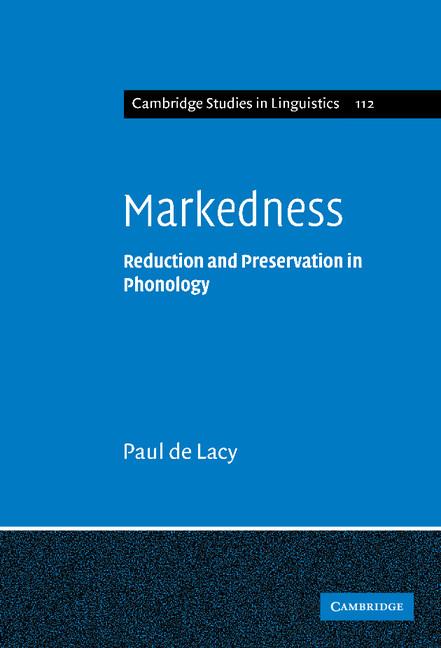
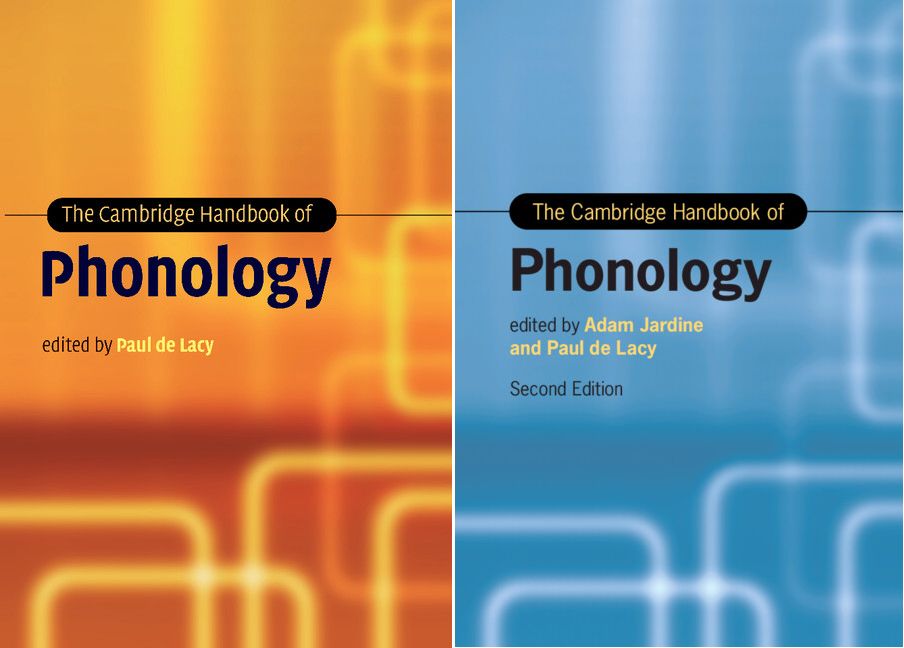
I have also edited some books, including two editions of the Cambridge Handbook of Phonology.
Education
I studied linguistics and English literature for my BA, and then linguistics for my MA(Hons) at the University of Auckland. I then went to the University of Massachusetts Amherst for my PhD in linguistics.
Positions
Like all grad students at UMass, I taught undergraduate courses. My first tenure-track position was at the University of Cambridge, and then I went to Rutgers. I retired from Rutgers in 2018 (‘Professor emeritus’ means ‘retired professor’).
Students
I feel very lucky to have supervised and advised many doctoral, masters, and undergraduate thesis students. Many have gone on to become professors and work for tech companies. You can read about their research here.